NIJ Journal Issue No. 249
Journal
NIJ Journal
Date Published
July 2003
Agencies
NIJ
Publication Type
Collected Work

Official websites use .gov
A .gov website belongs to an official government organization in the United States.
Secure .gov websites use HTTPS
A lock (
) or https:// means you’ve safely connected to the .gov website. Share sensitive information only on official, secure websites.


NIJ-funded researchers looked at the effect of the program on participants in their high school years.
An exacting, multi-site study of the Honest Opportunity Probation with Enforcement ("HOPE") probation model finds that, on key measures of effectiveness, the model may offer no advantage over conventional probation programs.
The criminal justice system encounters and supervises a large number of drug abusing persons. Punishment alone is a futile and ineffective response to the problem of drug abuse. Addiction is a chronic brain disease with a strong genetic component that in most instances requires treatment. Involvement in the criminal justice system provides a unique opportunity to treat drug abuse disorders and related health conditions, thereby improving public health and safety.
See the YouTube Terms of Service and Google Privacy Policy
Interview with Christopher Krebs, RTI International
The panel presentations from the 2009 NIJ Conference are based on an NIJ-sponsored evaluation of the effectiveness of Kansas Senate Bill 123, which mandates community-based drug abuse treatment for drug possession by nonviolent offenders in lieu of prison.
This webinar will provide details and guidance for potential applicants to the National Institute of Justice's Research and Evaluation of Drugs and Crime FY 2017 solicitation. The presenters will discuss the purpose and goals of this funding opportunity and address frequently asked questions. A Q&A session will conclude this webinar.
See the YouTube Terms of Service and Google Privacy Policy
Controlled substances are chemicals that have a legally recognized potential for abuse. They include “street drugs” such as heroin or ecstasy and prescription drugs such as oxycodone. Detecting and identifying controlled substances is a critical step in law enforcement's fight against drug-related crime and violence.
On this page, find links to articles, awards, events, publications, and multimedia related to controlled substances and seized drugs.
The management of sexual offenders in the community post-release is an issue of increasing concern to law enforcement, policymakers and the public. In recent years, efforts to strengthen registration and notification have been enhanced. At the same time, comparatively little attention has been paid to related matters, such as how residency restrictions may impact offenders' efforts to find stable work and living arrangements once they are released from prison, whether rates of recidivism have changed, and whether these policies increase the safety of potential victims.
Drug courts are specialized court docket programs that target criminal defendants, juveniles who have been convicted of a drug offense, and parents with pending child welfare cases who have alcohol and other drug dependency problems.
On this page, find links to articles, awards, events, publications, and multimedia related to drug courts.
The National Institute of Justice sponsors research on alcohol and other drugs in the context of juvenile and criminal justice systems to promote effective law enforcement, court, and corrections responses to illegal drug markets and criminal behavior related to illicit drug use.
NIJ's drugs and crime research informs crime reduction through several approaches:
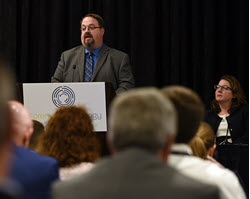
NIJ's Eric Martin discusses the Institute's ongoing evaluation of the HOPE program for drug-involved offenders.
See the YouTube Terms of Service and Google Privacy Policy
This Crime File video discusses the DARE program in Los Angeles attempts to teach elementary school children to turn away from drugs before they get to junior high school, where peer pressure is strong.
See the YouTube Terms of Service and Google Privacy Policy
In this Crime File video, James Q. Wilson moderates a panel of three (Jay Carver, Director of the D.C. Pretrial Services Program; Elizabeth Symmonds, attorney with the Capitol Area Affiliate of the American Civil Liberties Union; and Dr. Eric Wish, a drug researcher)
See the YouTube Terms of Service and Google Privacy Policy
In this Crime File video, James Q. Wilson moderates a panel of three (Mark Kleiman, Harvard University Research Fellow; Mark Moore, Harvard University Professor; and John Lawn, Administrator of the United States Drug Enforcement Agency), this team discusses Federal and local enforcement strategies against drug trafficking.
See the YouTube Terms of Service and Google Privacy Policy