Mentoring Programs for Youth: A Promising Intervention for Delinquency Prevention
To realize the full potential of youth mentoring programs, it is critical to advance research on program effectiveness and population-level impact.
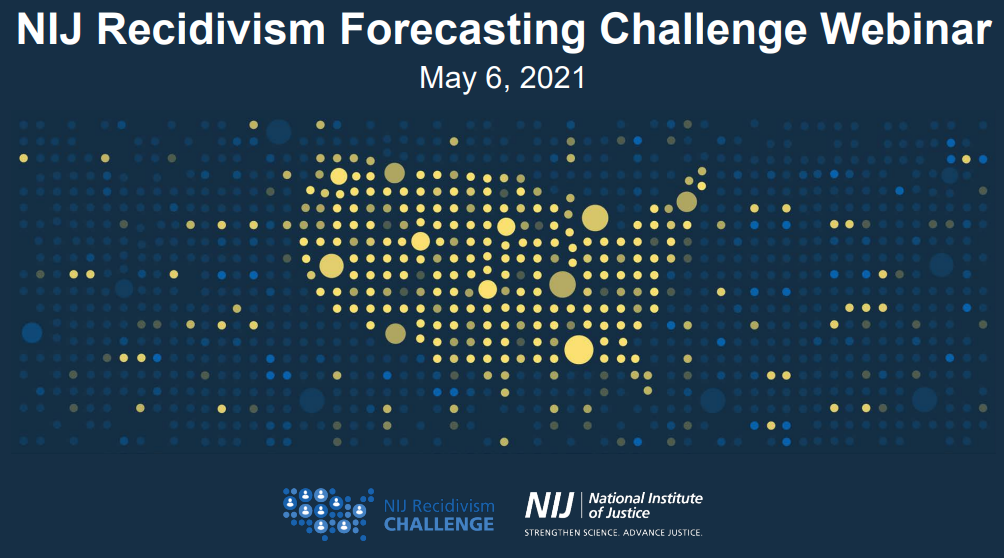
Thank you to everyone who submitted an entry. Winners will be notified by August 16, 2021, and posted online.
Winners are to submit paper outlining the variables that were tested, indicating which were of statistical significance and which were not, by September 17, 2021.
DARYL FOX: Good afternoon, everyone. Welcome to today's webinar. NIJ's Recidivism Forecasting Challenge, hosted...
On February 16-18, 2021, the National Institute of Justice hosted the Virtual Conference on School Safety: Bridging Research to Practice to Safeguard Our Schools. The conference brought together researchers, educators, law enforcement, mental health professionals, from federal agencies, national and state school safety organizations, and others in an effort to disseminate key findings, provide firsthand accounts of implementing research into the field, and engage...
First responders can help those who commit offenses who also become crime victims connect with services, but an NIJ- sponsored study reveals scant progress against systemic barriers.
A study of Kentucky’s safe harbor laws revealed they have helped decriminalize sex-trafficked youth. However, the study also highlighted a lack of resources and training for child welfare personnel and judges who work with these youth.
The National Institute of Justice and the Office of Juvenile Justice and Delinquency Prevention are working to improve data on juvenile residential placement facilities and the youth they hold.