


Forensic sciences
NIJ Journal Issue 267, Winter 2010
Research-based information that can help inform policy decisions and improve understanding of the criminal justice system.
NIJ Journal Issue 269, March 2012
Research-based information that can help inform policy decisions and improve understanding of the criminal justice system.
NIJ Journal 271, February 2013
Research-based information that can help inform policy decisions and improve understanding of the criminal justice system.
Impression Evidence: Strengthening the Disciplines of Pattern and Impression Sciences Through Research
Forensic examinations involving specific forensic science disciplines are typically dependent upon qualitative analyses and expert interpretation of observed patterns based on a scientific foundation, rather than quantitative results. These disciplines include latent fingerprints, questioned documents, footwear, and other forms of impression and pattern evidence.
Research and Evaluation on Drugs and Crime, FY 2017 Solicitation Webinar
This webinar will provide details and guidance for potential applicants to the National Institute of Justice's Research and Evaluation of Drugs and Crime FY 2017 solicitation. The presenters will discuss the purpose and goals of this funding opportunity and address frequently asked questions. A Q&A session will conclude this webinar.
See the YouTube Terms of Service and Google Privacy Policy
How Research and Technology Are Expanding Sexual Assault Kit Testing
NIJ Office of Investigative and Forensic Sciences Director Gerald LaPorte and Deputy Director Heather Waltke, along with Heather LaSalle, Forensic Examiner, DNA Casework Unit, and Tina Delgado, Chief, Biometrics Division from the FBI Laboratory discuss how scientific advances can help jurisdictions process a large number of previously unsubmitted sexual assault kits.
See the YouTube Terms of Service and Google Privacy Policy
Research and Evaluation for the Testing and Interpretation of Physical Evidence in Publicly Funded Forensic Laboratories
This webinar provided details and guidance for potential applicants to NIJ’s solicitation, “Research and Evaluation for the Testing and Interpretation of Physical Evidence in Publicly Funded Forensic Laboratories.”
See the YouTube Terms of Service and Google Privacy Policy
Prosecuting Cases of Elder Abuse
This panel will feature NIJ-funded research that has direct, practical implications for the prosecution of elder abuse cases. Panelists will present findings from a study of prosecutors in three states that examined the factors that influenced their decisions to prosecute elder financial abuse cases. The panel will also provide the results from an evaluation of five innovative court-based models that target perpetrators of elder abuse.
Director's Message: NIJ Journal Issue No. 259
Director's Message - NIJ Journal Issue No. 257
Forensic Biology/Forensic DNA
Forensic Biology/DNA analysis has played a critical role in the investigation and resolution of thousands of crimes since the late 1980s. Over time the forensic biology field has expanded to include techniques that target DNA, RNA, or proteins from all types of organisms and technology has improved in quality, sensitivity, and analysis time.
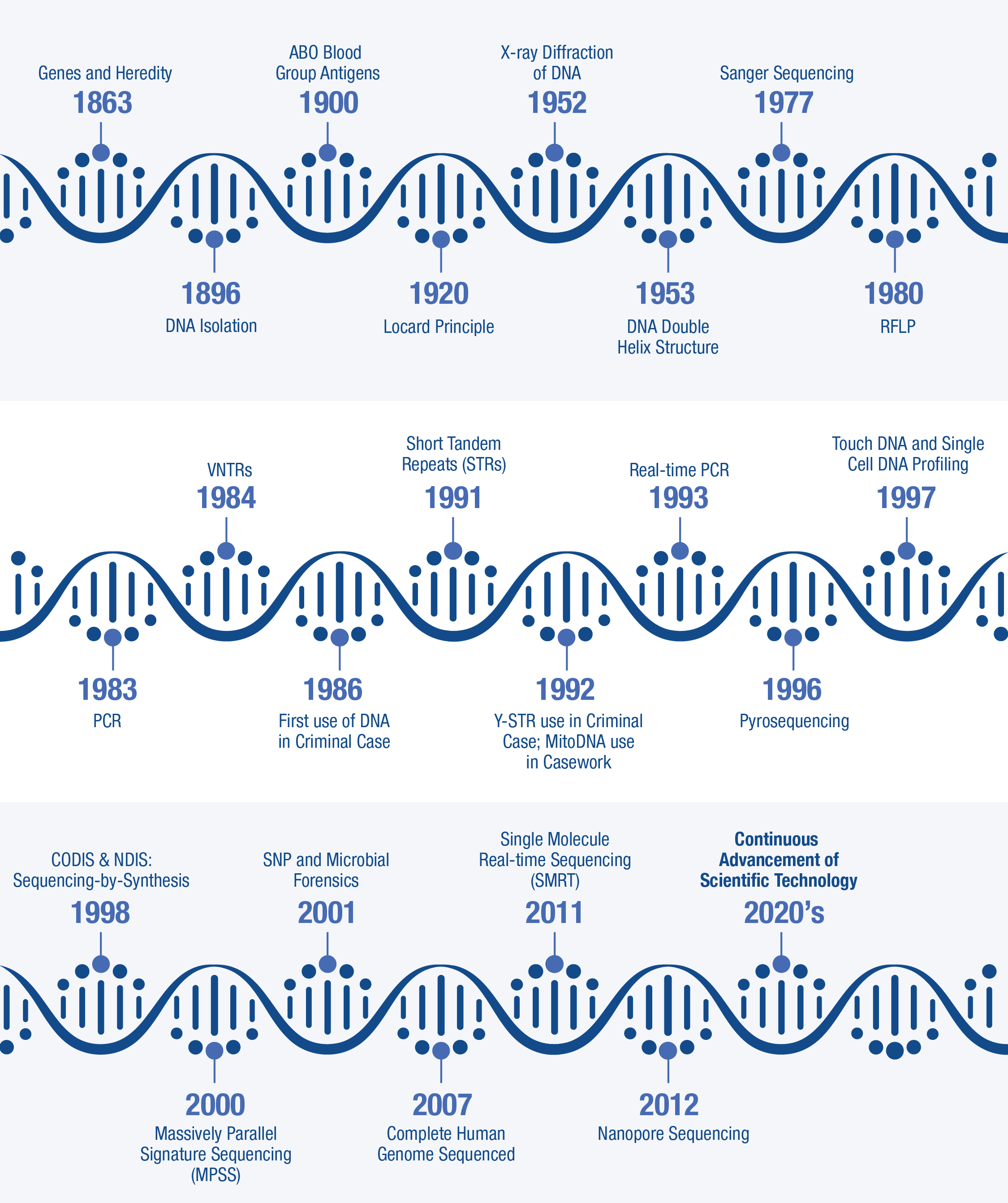
While there...
Forensic Pathology
Human remains are treated as a separate and unique type of forensic evidence. An autopsy of the remains is completed to determine the cause and manner of any death that is violent, unusual, or untimely. A forensic pathologist will examine the human remains (post-mortem examination) and consider death scene findings.
On this page, find links to articles, awards, events, publications, and multimedia related to forensic pathology.
Forensic Toxicology
Forensic toxicology is the analysis of biological samples for the presence of toxins, including drugs. The toxicology report can provide key information as to the type of substances present in an individual and if the amount of those substances is consistent with a therapeutic dosage or is above a harmful level. These results can be used to make inferences when determining a substance's potential effect...
Forensic Anthropology
Examination of skeletal human remains to assess age at death, sex, stature, and ancestry; identify injuries; and estimate the time since death provide investigators with information that can assist in identifying a decedent. In addition, examination of the development, anatomy, and any restorative dental corrections of the teeth, such as fillings or extractions can help comparative identification of a person. NIJ funds research to improve the...