Rapid DNA technology
Rapid DNA’s Role in Disaster Victim Identification
The Department of Homeland Security Science and Technology Directorate has tested Rapid DNA at mass fatality incident response exercises since 2015. This was done to determine the technology’s ability and usefulness in identifying victims of mass disasters. This webinar will review the successes and challenges from those exercises as well as discuss Rapid DNA’s most recent role in identifying victims of the 2018 Camp Fire in Butte County, CA.
This webinar was presented by the NIJ Forensic Technology Center of Excellence on May 2, 2019.
See the YouTube Terms of Service and Google Privacy Policy

Just DNA Results in Rapid Time
In episode two of our Unidentified Human Remains season, Just Science sat down with Neal Parsons, a Research Forensic Scientist at RTI International, to discuss how rapid DNA analysis has become an important method for identifying unknown human remains, especially in cases of mass fatality. Rapid DNA analysis is a fully automated process of developing DNA profiles without the need for a DNA laboratory or human interpretation.
Results of the 2023 Rapid DNA Multi-laboratory Study – I-Chip
Results of the 2023 Rapid DNA Multi-laboratory Study – RapidINTEL Plus Sample Cartridge
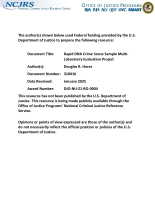
Rapid DNA Crime Scene Sample Multi-Laboratory Evaluation Project
Just Science Podcast: Just DNA Results in Rapid Time
What's Possible with Rapid DNA Technology?
NIJ scientist Tracey Johnson joins science writer Sarah Michaud in this episode. They discuss Rapid DNA technology, and Tracey explains the complexities of this technology – its pitfalls and its possibilities.
Reading and Resources from NIJ:
Rapid DNA Crime Scene Sample Multi-Laboratory Evaluation Project
Funding Opportunities for Publicly Funded Crime Labs, Fiscal Year 2017
This webinar will inform the audience of the changes to three programs available for publicly funded forensic laboratories and introduce a new program for FY 2017. Changes to existing programs will be highlighted and presenters will discuss the background and goals of the solicitations, recommendations for successful applications, application expectations and requirements, the review process, and the application checklist. There will also be time for questions and answers at the end of the webinar.
Solicitations discussed include:
See the YouTube Terms of Service and Google Privacy Policy