Evidence analysis and processing
Just Science Podcast: Just Technology To Improve Sexual Assault Bruise Detection
Interpretation of Audio Forensic Information from the Shooting of Journalist Shireen Abu Akleh
The Daunting Task of Strengthening Medical Examiner and Coroner Investigations Across Hundreds of Jurisdictions
Systematic Evaluation of the Precision ID GlobalFilerTM NGS STR Panel v2 Using Single-source Samples of Various Quantity and Quality and Mixed DNA Samples
Application of a Modified 3D-PCSI-MS Ion Source to On-Site, Trace Evidence Processing via Integrated Vacuum Collection
Targeted Enrichment of Whole-genome SNPs from Highly Burned Skeletal Remains
Determining the Age-At-Death of Infants, Children, and Teens
Macroscopic Differences in Adult Human Femora are Linked to Body Mass Index
Foundational Statistics for Forensic Toxicology
Developing Aptamer-Based Colorimetric Opioid Tests
Forensic Analysis of Salvia Divinorum Using Multivariate Statistical Procedures. Part II: Association of Adulterated Samples to S. Divinorum
SingFake: Singing Voice Deepfake Detection
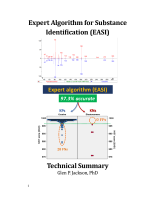
Expert Algorithm for Substance Identification (EASI)
Development of a Comprehensive Workflow for Postmortem Insulin Testing in Cases of Suspected Insulin Homicide
Evaluating the Robustness and Ruggedness of a Statistical Model for Comparison of Mass Spectral Data for Seized Drug Identification
Expert Algorithm for Substance Identification Using Mass Spectrometry: Application to the Identification of Cocaine on Different Instruments Using Binary Classification Models
Connecting Researchers and Forensic Laboratories
Collaboration between researchers and practitioners can improve the relevance and impact of forensic science research. NIJ encourages researchers to seek and partner with forensic science laboratories and other practitioners. Likewise, we encourage practitioners to work with research partners to help guide the relevance of NIJ funded research. These collaborations...